
Why Choose Virgin Nepal Trek & Expedition for Your Himalayan Adventure
Page Image

Why Choose Virgin Nepal Trek & Expedition for Your Himalayan Adventure

Why Choose Virgin Nepal Trek & Expedition for Your Himalayan Adventure

When travelers plan a Himalayan adventure in Nepal, choosing the right trekking and expedition company can make the journey safer, smoother, and more memorable. With breathtaking mountains, diverse landscapes, and rich cultural traditions, Nepal offers endless opportunities for trekking, mountaineering, and exploration.

Virgin Nepal Trek & Expedition provides travelers with opportunities to discover Nepal through carefully organized trekking, climbing, and adventure experiences. From iconic Himalayan routes to cultural journeys and customized expeditions, the company focuses on creating memorable experiences for different types of travelers.

For those looking to explore the Himalayas with experienced support and personalized travel arrangements, choosing the right local adventure partner can make all the difference.

Why Choose Virgin Nepal Trek & Expedition?

Virgin Nepal Trek & Expedition offers a combination of local knowledge, professional services, and personalized adventure experiences designed to meet the needs of different travelers.

The key advantages include:

Experienced Team: Travel with knowledgeable guides and professionals who understand Nepal’s trekking routes, mountain environments, and local culture.

Customized Itineraries: Choose trekking and expedition packages designed around your interests, schedule, fitness level, and travel preferences.

Safety and Support: Receive professional assistance and careful planning throughout your trekking or expedition journey.

Local Expertise: Discover Nepal through a team with local knowledge of mountain trails, villages, traditions, and cultural experiences.

Diverse Adventures: Explore trekking, mountaineering, cultural tours, peak climbing, and other Himalayan experiences in Nepal and beyond.

Trekking Through Nepal with Local Experience

Exploring the Himalayas is about more than reaching a destination. It is about experiencing the landscapes, meeting local communities, discovering ancient traditions, and creating memories along the trail.

From the legendary Everest region to the peaceful Annapurna and Langtang landscapes, Nepal offers a remarkable variety of adventures. With local guidance and carefully planned itineraries, travelers can experience the mountains while gaining a deeper understanding of the communities and cultures that call the Himalayas home.

Every trail brings something different—from breathtaking mountain views and peaceful forests to traditional villages, ancient monasteries, and warm local hospitality.

Adventures Designed Around You

Every traveler has a different idea of the perfect Himalayan adventure. Some dream of reaching Everest Base Camp, while others want to explore remote mountain villages, experience local culture, or take on a challenging mountaineering expedition.

Virgin Nepal Trek & Expedition offers flexible travel experiences that can be adapted to different interests, schedules, and adventure levels.

Whether you are an experienced mountaineer or a traveler discovering the Himalayas for the first time, thoughtful planning and local support can help make your journey more comfortable, enjoyable, and memorable.

Begin Your Himalayan Journey

For travelers ready to explore Nepal, choosing a reliable and experienced trekking partner is an important part of the adventure. With local knowledge, personalized itineraries, professional support, and a wide range of Himalayan experiences, Virgin Nepal Trek & Expedition aims to make every journey meaningful.

From peaceful cultural trails to challenging mountain expeditions, Nepal offers an adventure for every kind of explorer.

With Virgin Nepal Trek & Expedition, your Himalayan journey is more than a trip—it is an opportunity to explore, experience, and create unforgettable memories in the heart of the Himalayas
{$page->title}

More like this

The 2026 Bhote Koshi Flash Flood & Nepal Tourism Safety Guide

The 2026 Himalayan Catastrophe: Inside the Bhote Koshi Flash Flood and Nepal’s Unshakable Tourism Resilience

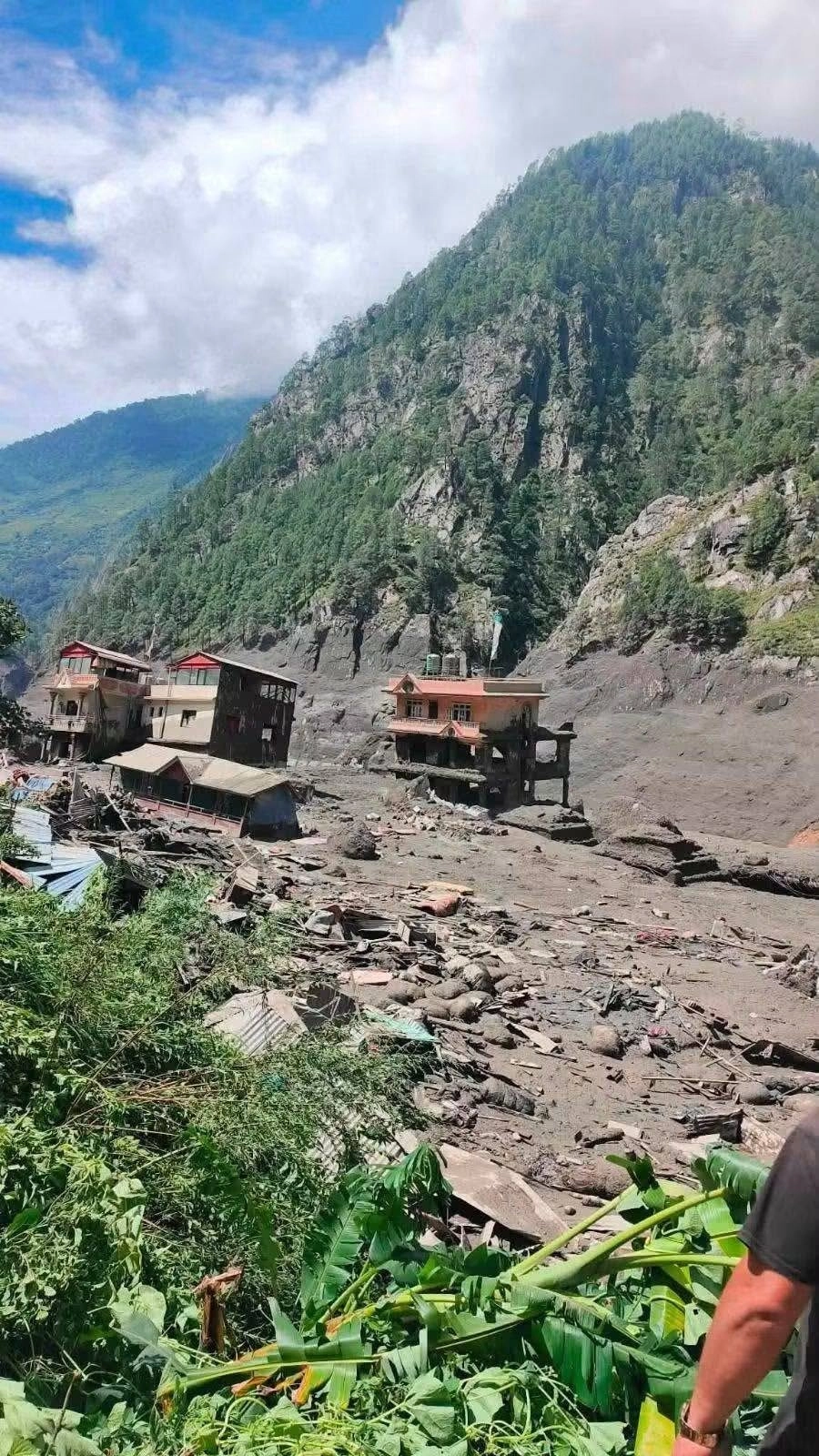
The Bhote Koshi River Valley has been struck by an unprecedented climate disaster, yet Nepal’s core tourism destinations remain entirely safe and open to global travelers. On Wednesday morning, August 26, 2026, an explosive ice-and-rock avalanche on the backside of the Langtang Lirung massif triggered a catastrophic chain reaction. Plunging from an altitude of over 5,200 meters, the massive glacial collapse violently impacted a high-elevation temporary river system, unleashing a sediment-heavy, high-velocity deluge. Traveling at speeds approaching 200 kilometers per hour, this "Himalayan tsunami" thundered down the narrow river corridor, rewriting the geographic and economic landscape of the border region.

The Anatomy of a Cascading Climate Disaster

As a vital transboundary artery connecting the Tibetan plateau to Nepal, the rugged Bhote Koshi corridor serves as the primary route for Sino-Nepal overland trade and houses the crucial Rasuwagadhi border custom post. The sudden wall of water and debris targeted the valley's infrastructure with severe precision, resulting in alarming impacts:

  • Energy Generation Crippled: The disaster affected roughly 900 MW of power capacity, directly damaging or compromising 13 critical facilities, including operational hydropower plants like Rasuwagadhi (111 MW) and Chilime (22 MW) alongside a 25 MW solar plant.

  • Financial Sectors Halted: Essential civic infrastructure along the riverbanks, such as 7 local banking branches, warehouses, and trade offices, was completely wiped out.

  • Severe Casualties: The event led to thousands of casualties, with hundreds of bodies recovered and numerous individuals—including international pilgrims, trekkers, and border workers—still missing.

  • Lingering Secondary Risks: Geological experts continue to monitor a newly formed upstream barrier lake holding millions of cubic meters of water due to strict secondary breach warnings.

A Localized Crisis in a Land of Giants

Despite the heavy economic shockwaves felt nationwide, the disaster's destruction was strictly confined to the immediate river beach and low-lying topography of the Bhote Koshi River Valley corridor. Beyond this specific border chasm, the vast majority of Nepal remains entirely unaffected, stable, and completely safe for travelers. As home to eight of the world's fourteen 8,000-meter peaks, Nepal's premier trekking circuits, cultural sanctuaries, and wildlife reserves continue to welcome international visitors without any disruption.

How Global Travelers Can Power Nepal’s Recovery

When a country faces an infrastructure crisis of this scale, active tourism serves as a powerful form of international support. Choosing to travel to Nepal provides an immediate lifeline to local micro-economies, supporting homestays, independent mountain guides, porters, and artisans directly. Experiencing the majesty of the Himalayas directly aids the economic rehabilitation of a resilient nation that remains open, safe, and ready to inspire.Virgin Nepal Trek and Expedition

#BhoteKoshiFlood #NepalFlood2026 #LangtangLirung #HimalayanTsunami #ClimateEmergency #DiscoverNepal #SafeTravelNepal #VisitNepal2026 #HimalayanResilience #SustainableTourism #TravelForGood #SupportNepal #MountainResilience #ClimateActionNow #TravelWithPurpose #PrayForNepal #GlacialFlashFlood #NepalTourism #AdventureNepal #Himalayas


Why You Must Visit Bhutan at Least Once: The Ultimate Guide to the Last Himalayan Kingdom

The Ultimate Guide to the Last Himalayan Kingdom

Are you searching for a travel destination that transcends ordinary sightseeing—somewhere that offers profound cultural immersion, untouched natural beauty, and a genuine retreat for the soul?

Nestled in the eastern folds of the Himalayas, Bhutan—the legendary "Land of the Thunder Dragon"—stands apart from the rest of the modern world. More than just a vacation spot, a journey to Bhutan is a step back in time into a realm where development is measured not by financial GDP, but by Gross National Happiness (GNH).

Discover why this Himalayan sanctuary belongs at the very top of your global travel bucket list.


1. A Living Tapestry of Culture and History

In a world characterized by rapid modernization, Bhutan fiercely protects its ancient heritage. Rooted deeply in Vajrayana Buddhism, the kingdom's daily life is imbued with spiritual grace.

  • The Dzong Architecture: Majestic fortresses (dzongs) serve as both religious and administrative centers, boasting intricate woodwork, massive whitewashed walls, and vibrant paintings.

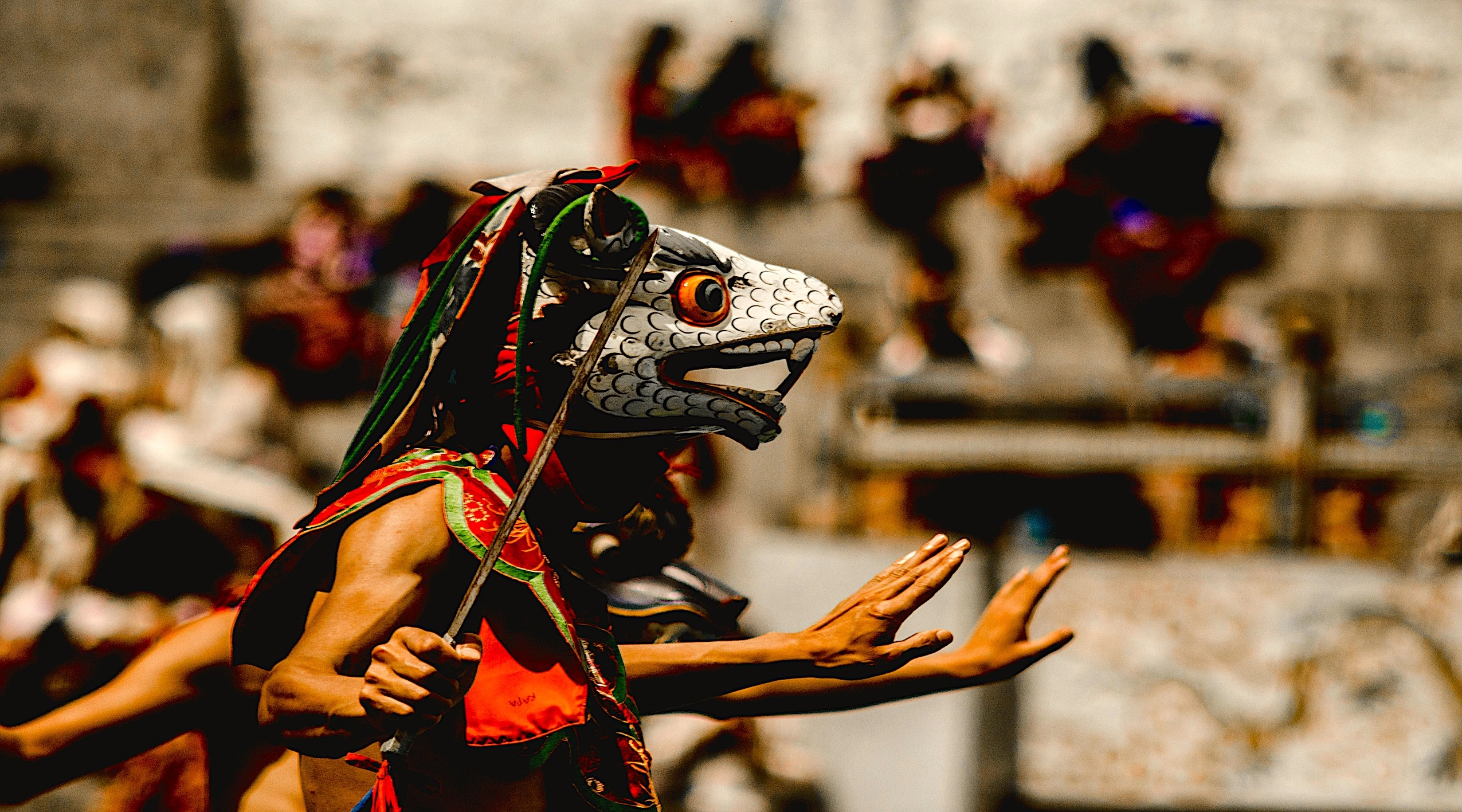
  • Vibrant Festivals (Tshechus): Witness sacred masked dances performed by monks and laypeople in celebration of religious legends, offering windows into a deeply spiritual society.

  • Traditional Attire: It is common to see locals proudly wearing their national dress—the knee-length Gho for men and the ankle-length wrap-around Kira for women—making the streets feel like a living museum.


2. A Carbon-Negative Paradise

Bhutan is officially the only carbon-negative country on Earth. With over 70% of its landmass blanketed in pristine forests, the nation absorbs vastly more carbon dioxide than it emits.

  • Pristine Wilderness: Breathe crisp, high-altitude air free of industrial pollution as you hike through pristine rhododendron forests, alpine meadows, and lush river valleys.

  • Iconic Treks: From the legendary cliffside ascent to the sacred Tiger’s Nest Monastery (Paro Taktsang) to multi-day Himalayan wilderness expeditions, outdoor enthusiasts are treated to some of the most dramatic landscapes on the planet.

3. Exclusivity and Mindful Travel

To protect its fragile ecosystems and cultural integrity, Bhutan pioneered a high-value, low-impact tourism model.

  • No Overcrowding: By managing daily visitor numbers and sustainable tourism tariffs, Bhutan ensures that its trails, temples, and valleys remain serene, quiet, and deeply personal.

  • Safety First: Consistently ranked as one of the safest destinations in the world, solo travelers, couples, and groups alike can explore with total peace of mind, supported by warm hospitality and professional local guides.

🏔️ Essential Travel Guide: Planning Your Journey

Climate & When to Go

  • Spring (March – May): Warm days, clear skies, and blooming valleys blanketed in colorful rhododendrons. Perfect for trekking.

  • Autumn (September – November): Crisp, dry air offering the clearest mountain views and vibrant cultural festival seasons.

  • Winter (December – February): Clear, sunny blue skies in the western valleys, ideal for cultural exploration.

What to Pack & Local Etiquette

  • Layering is Key: Mountain weather can shift quickly between intense sunshine and chilly alpine breezes.

  • Temple Respect: Always remove hats, sunglasses, and shoes before entering religious sanctuaries. Walk clockwise around stupas and prayer wheels.

  • The Art of Gifting: When visiting local homes, small tokens of appreciation like dried fruits, tea, or sweets are warmly welcomed and presented with both hands.

✈️ Connecting to Bhutan from Around the World

Because of its dramatic mountain topography, Bhutan’s aviation infrastructure is uniquely centralized.

The Gateway: Paro International Airport

Recognized globally as one of the most thrilling and visually spectacular approaches in aviation, Paro Airport is nestled deep within a steep Himalayan valley. Flights are exclusively operated by specialized regional carriers (Drukair and Bhutan Airlines).

Global Transit Hubs

Because direct flights do not operate from outside immediate neighboring regions, international travelers typically route through key global air corridors:

  • Kathmandu (Nepal): The most popular and favored transit option. It offers a short, highly efficient 1-hour flight to Paro, frequent weekly schedules, and the breathtaking bonus of flying directly past Mount Everest.

  • Bangkok (Thailand) & Singapore: Excellent, highly connected international transit nodes offering seamless mainstream global flight options.

  • India: Various regional hubs provide connections, though travelers should account for specific transit documentation.

🍛 Taste the Thunder Dragon: Bhutanese Cuisine

Bhutanese culinary traditions are hearty, comforting, and remarkably flavorful, heavily featuring chilies, cheese, and locally harvested grains.

  • Ema Datshi: The undisputed national dish—a fiery, comforting blend of fresh green or red chilies simmered in rich, local yak or cow's milk cheese.

  • Red Rice: A nutritious, nutty grain grown in the fertile valleys of Paro, serving as the daily staple.

  • Momos: Steamed dumplings stuffed with spiced vegetables or minced meat, paired with fiery homemade chili dips.

  • Suja (Butter Tea): A traditional hot, salted tea brewed with butter, designed to warm travelers against the mountain chill.

Ready to Experience the Magic of Bhutan?

Begin planning your transformative journey into the heart of the Himalayas today. Whether you are seeking spiritual reflection, grand alpine adventures, or a deeper understanding of human happiness, Bhutan awaits.

⚠️
Security Notice
devtools.intrusion_detected → true
Stop! This browser feature is for developers only.
If someone told you to paste something here,
they're trying to compromise your account.
system / log
devtools.open()
⚠ WARNINGUnauthorized access attempt
Session ID:
Timestamp:
security.alert.send()
Admin notified